← Back to the catalog

Al tablero y Robots

Smart robots and games

Robots that play: block-based programming and code, user-centered design and boards built by the teams themselves to put each machine to the test.
PeriodSecond semester 2025
InstitutionPENTA UC
RoleLead teacher and course creator
Level12th grade
Length12 sessions
Al tablero y Robots

The most recent course brings together the two lines I had been working on separately: the robotics of the space courses and the game design of Máquinas fabulosas. Teams assemble a robot, program it first with blocks and then by editing the code directly, and build the board or terrain the robot has to perform on.

The empathy stage is explicit: each team chooses a type of user (young children, older adults, someone with a specific need) and defines how the robot should behave for that person. Interaction design stops being an add-on and starts to determine the game mechanics.

Original course

Proposal, syllabus, methodology and materials designed by me.

Syllabus

  1. 01Introduction and prototyping challengeDesign thinking and teamwork: first prototype with recycled materials.
  2. 02Exploring the kit and physical prototypeRobot components, installing the IDE and planning on paper before building in cardboard.
  3. 03Basic programming and 3D designUploading code, Wi-Fi control from the browser and modeling tools in Tinkercad.
  4. 04Going deeper into programmingConditional and loop structures, and a review of the midterm challenge rubric.
  5. 05Integrating programming and prototypeBringing electronics, code and physical structure together into a single working system.
  6. 06Midterm assessmentA working robot able to solve the defined challenge, with a presentation and a project log.

Gallery
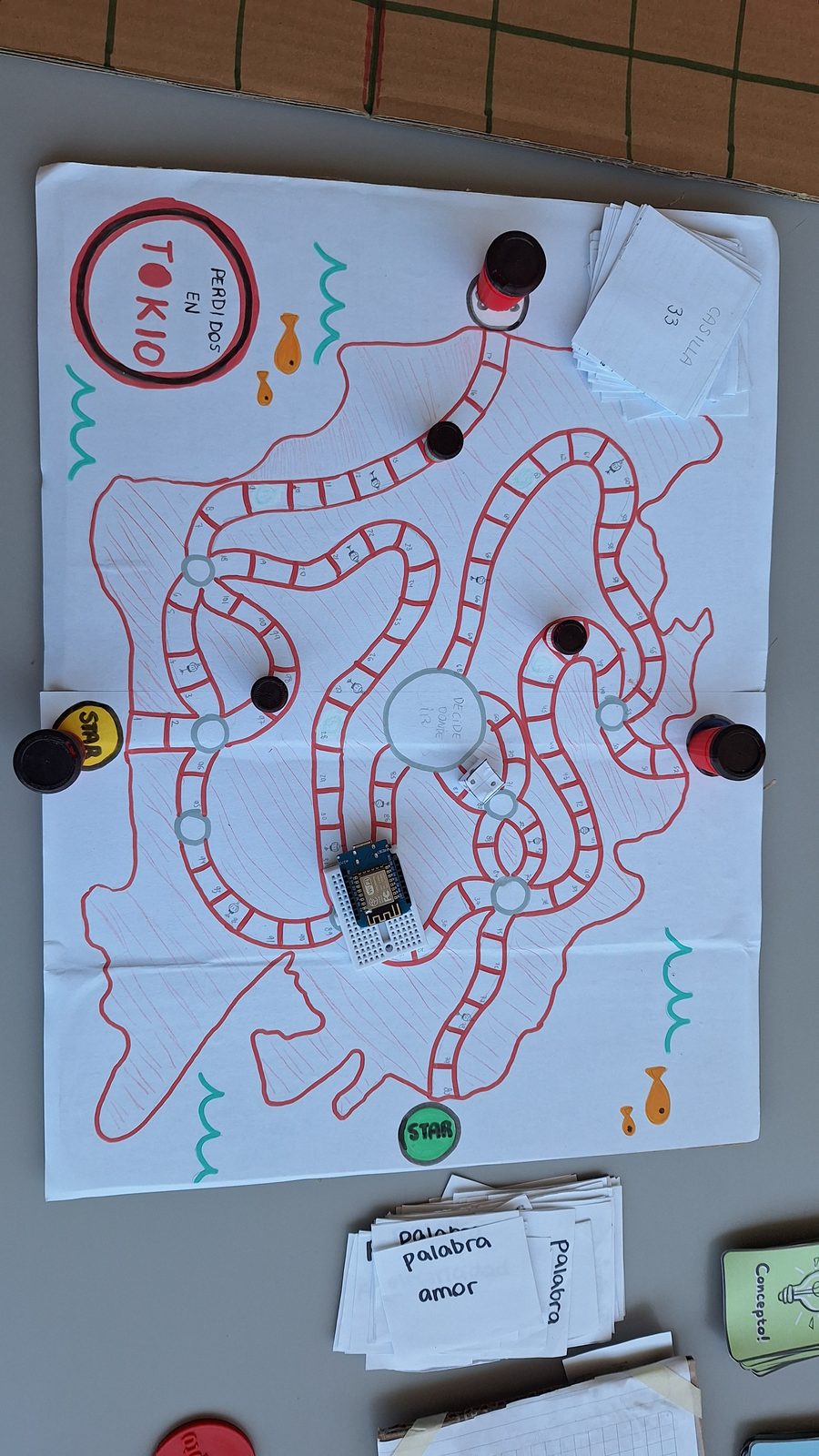
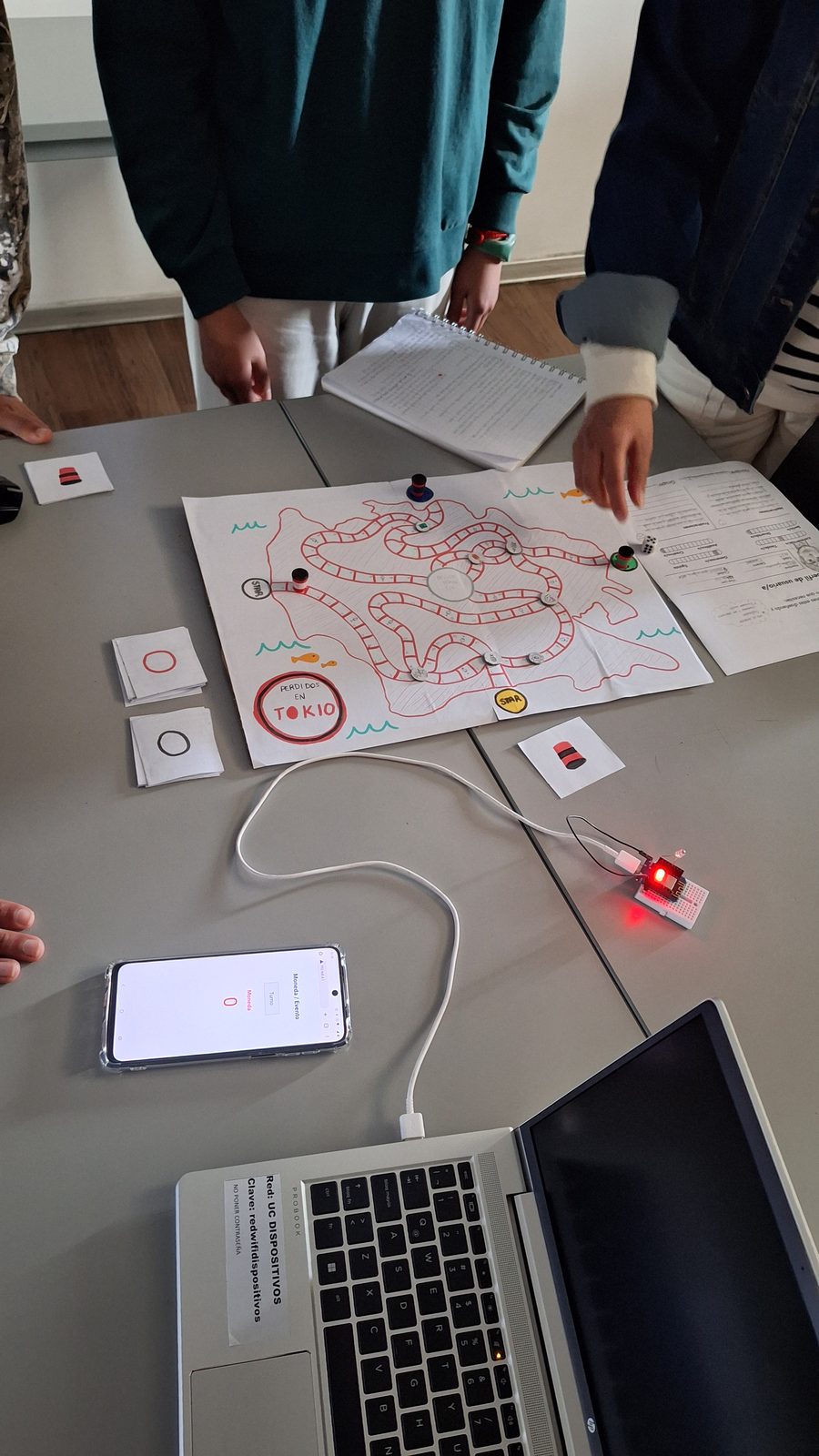
A team's finished board: the route drawn by hand and the microcontroller mounted on the map.
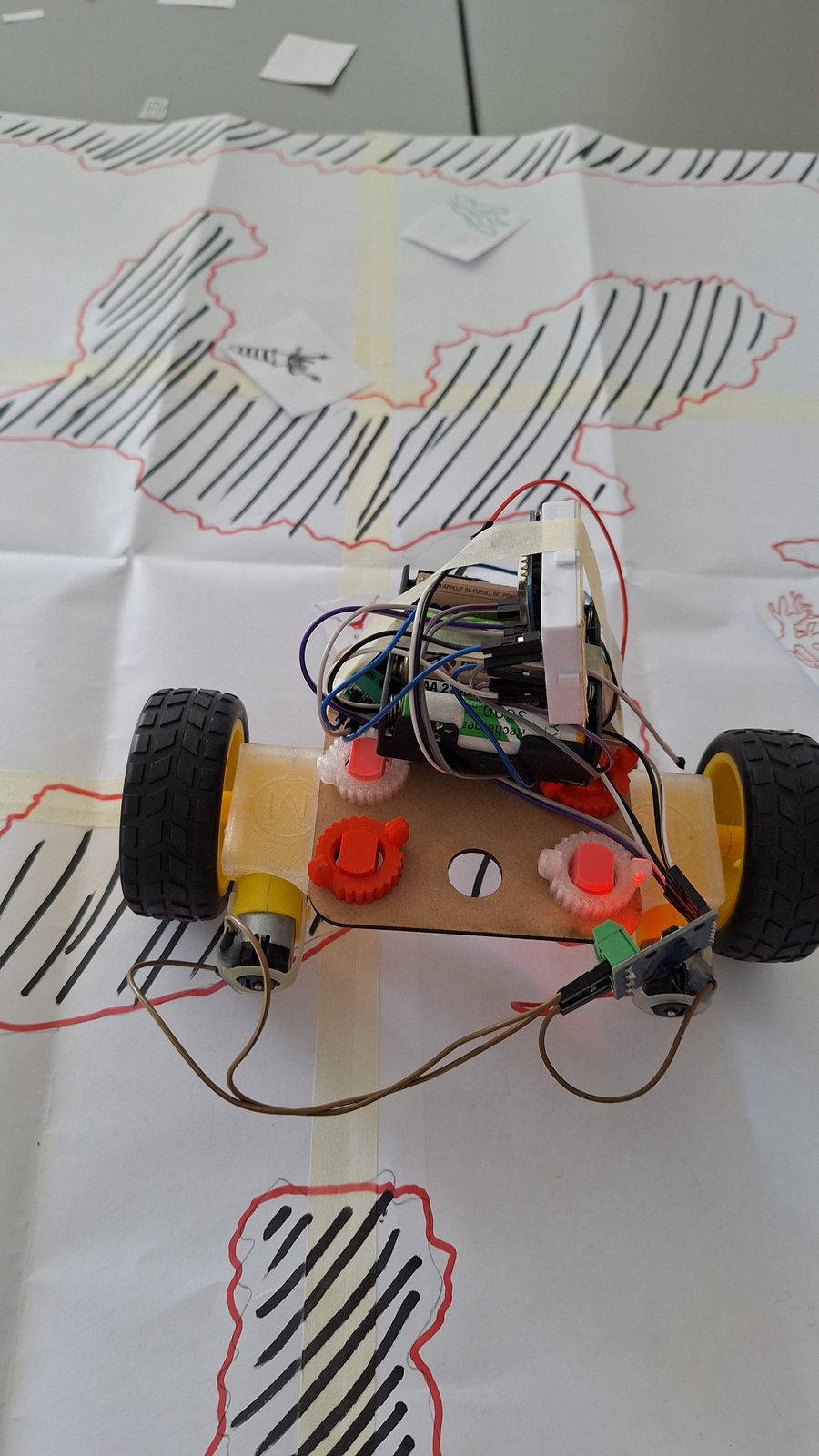
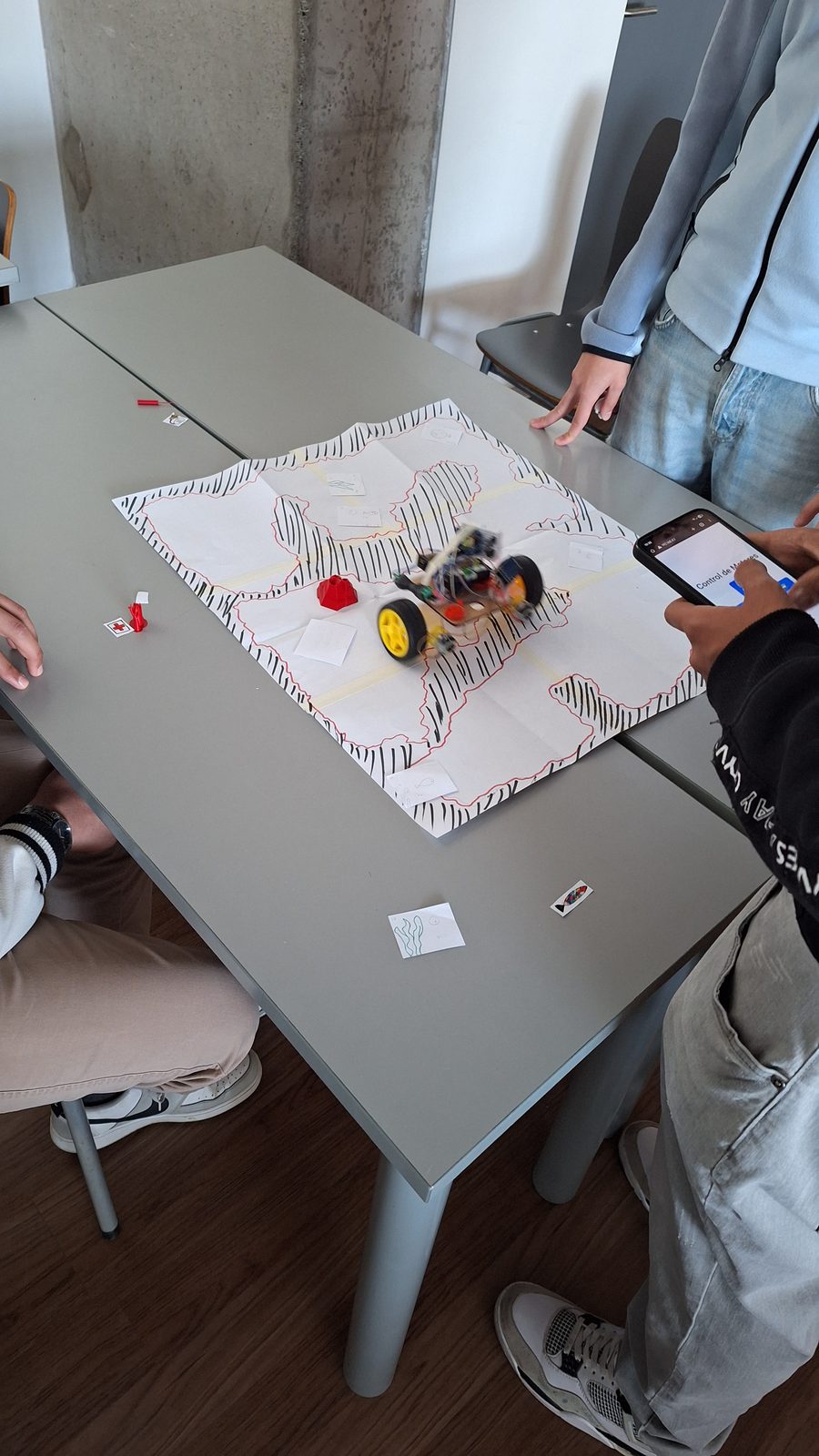
The robot controlled from a phone as it moves around the board.
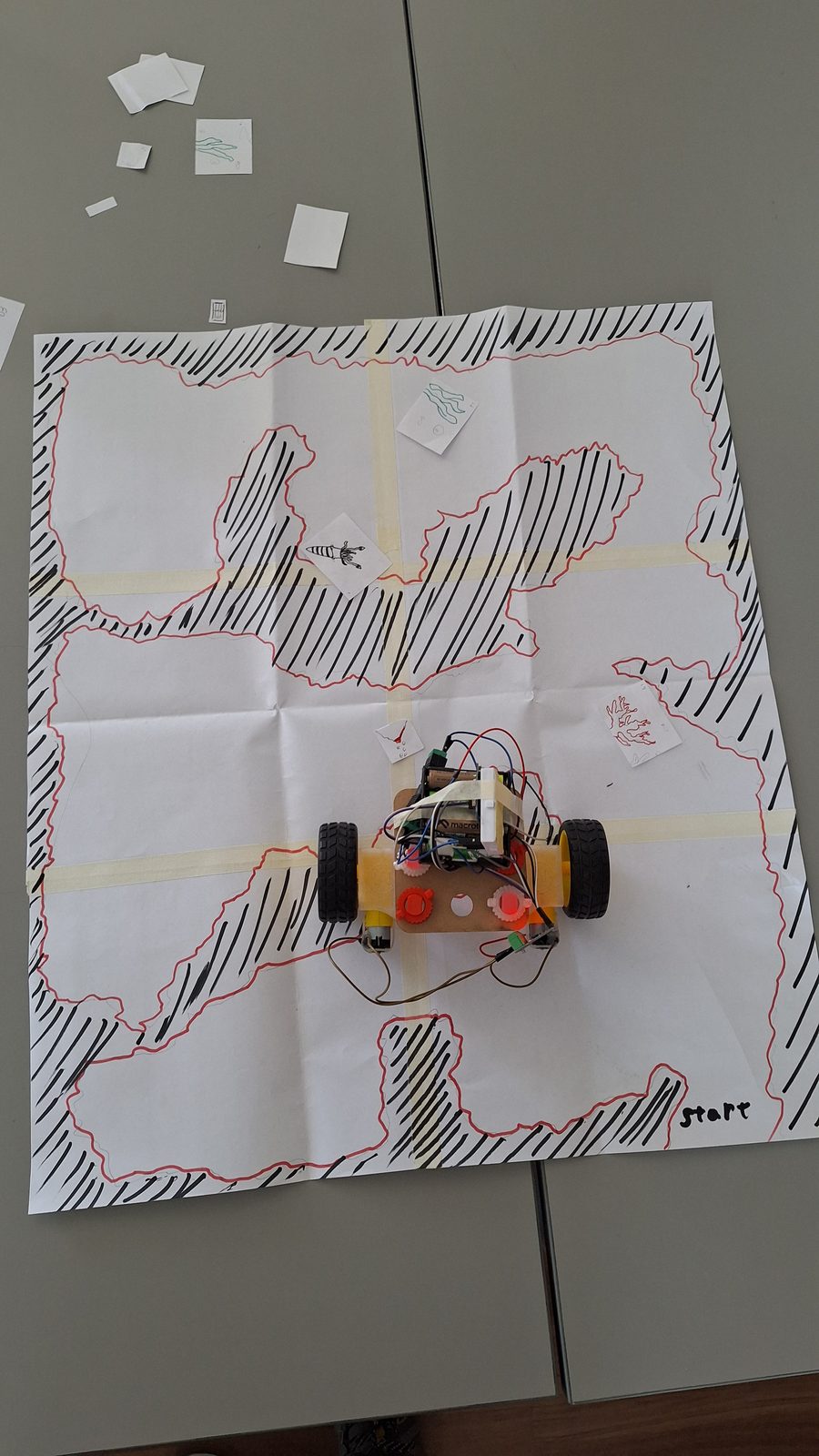
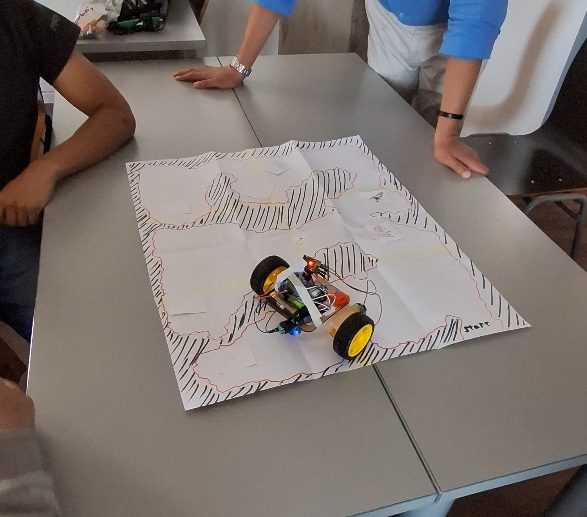
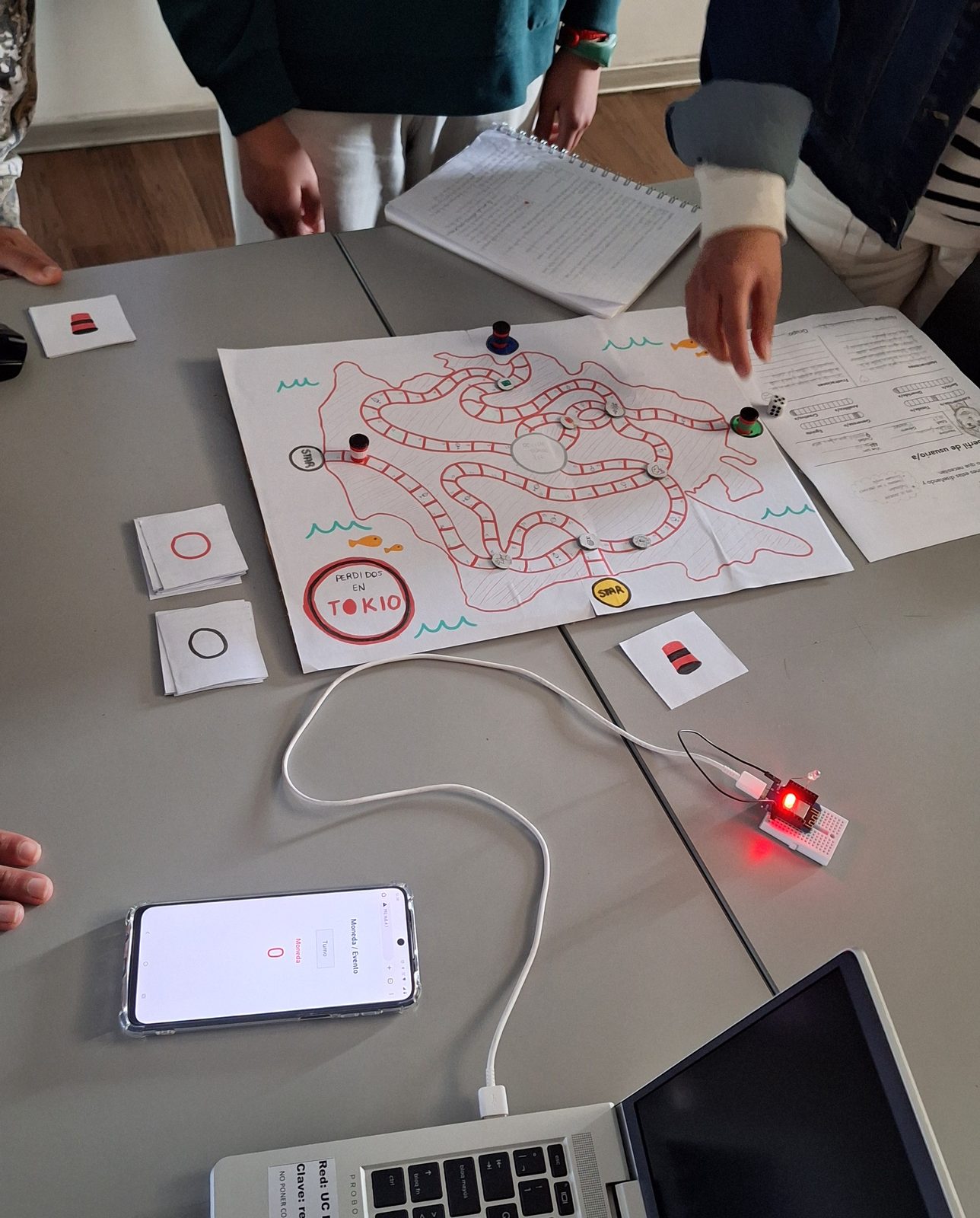
Robot on the paper map during a test game.
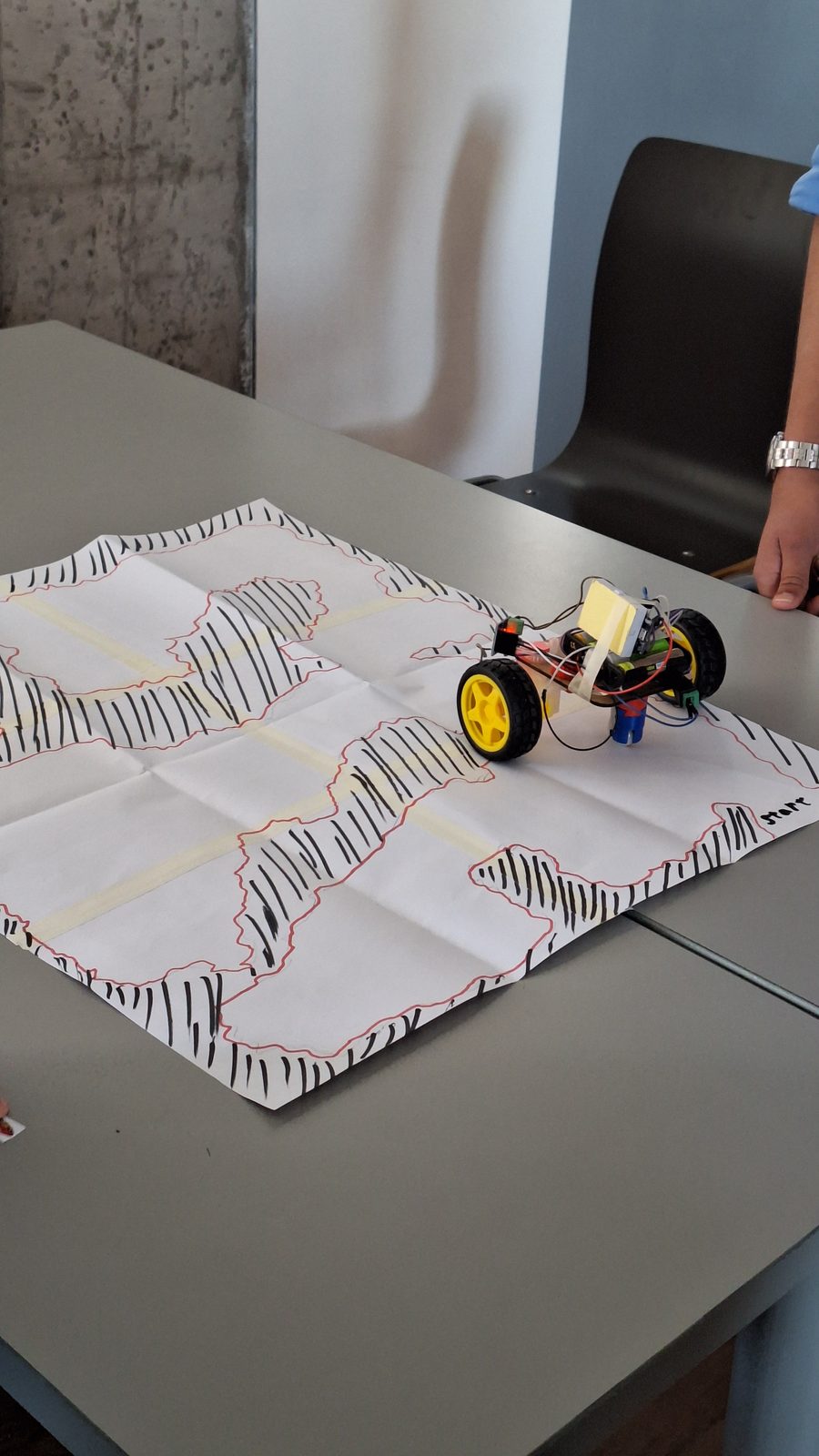
The full route of the board, with the zones drawn by the team.
Game board designed by a team, with 3D printed pieces.
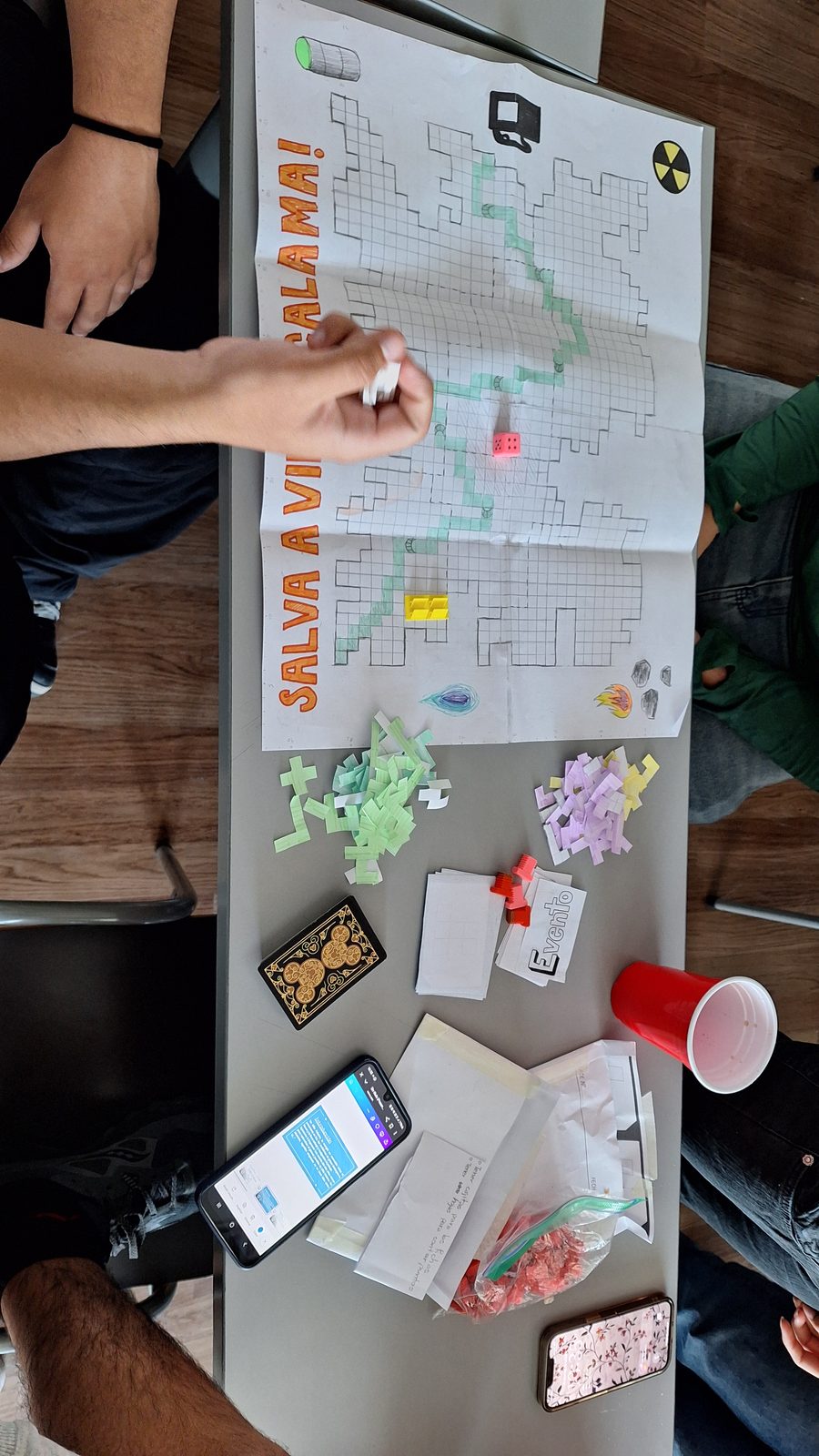
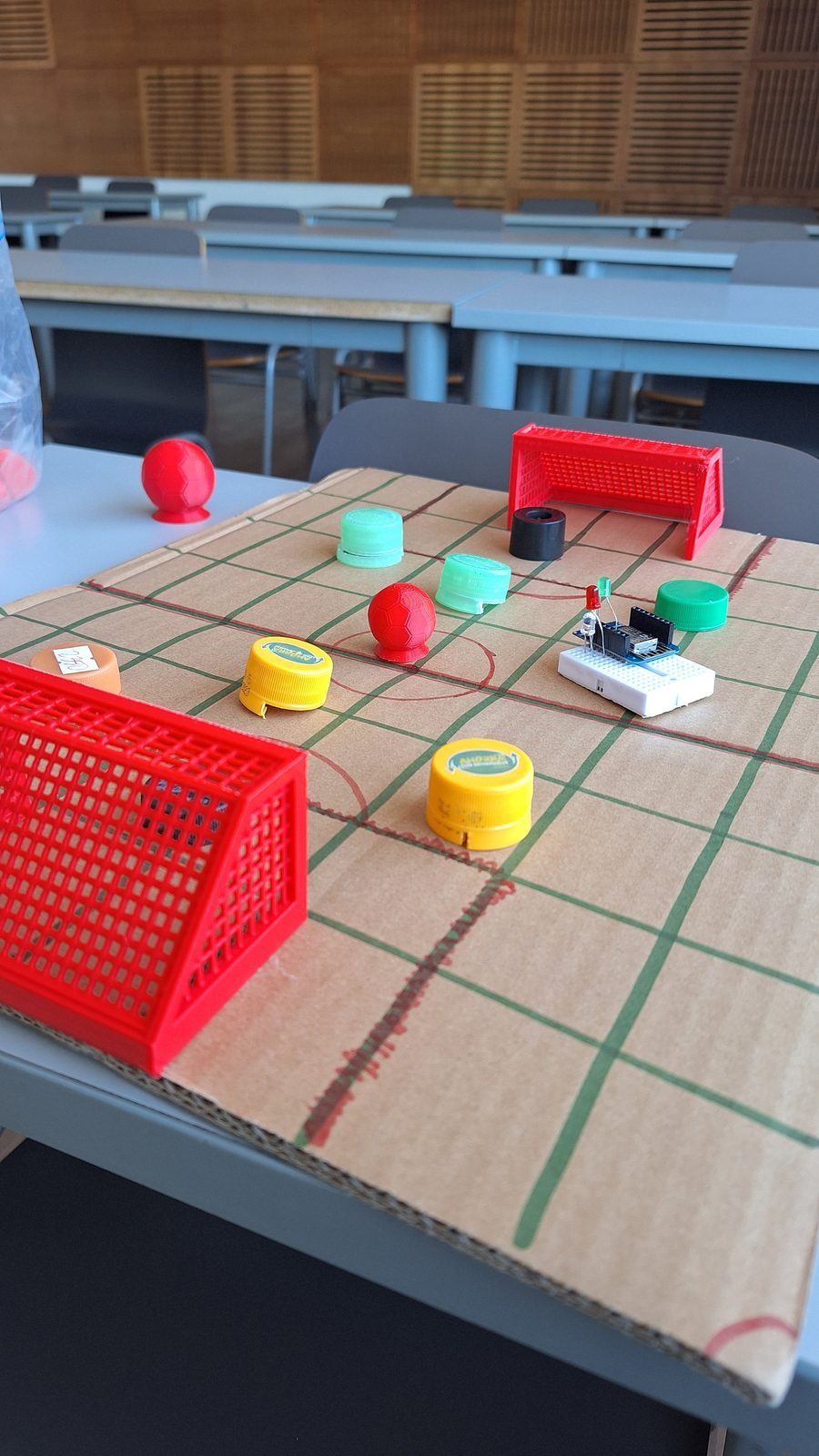
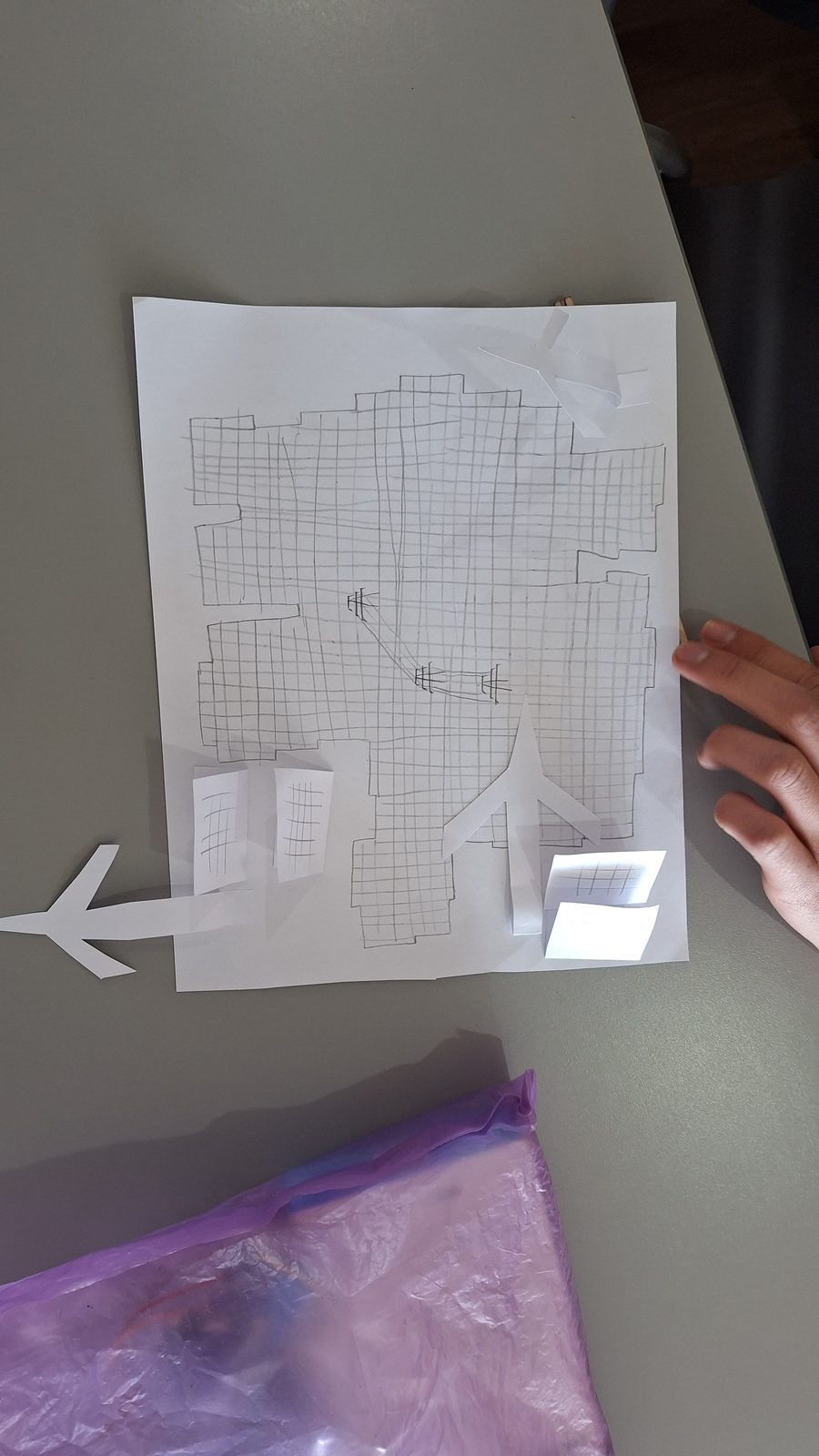
A cardboard arena with a grid and arches: another challenge format for the same robot.
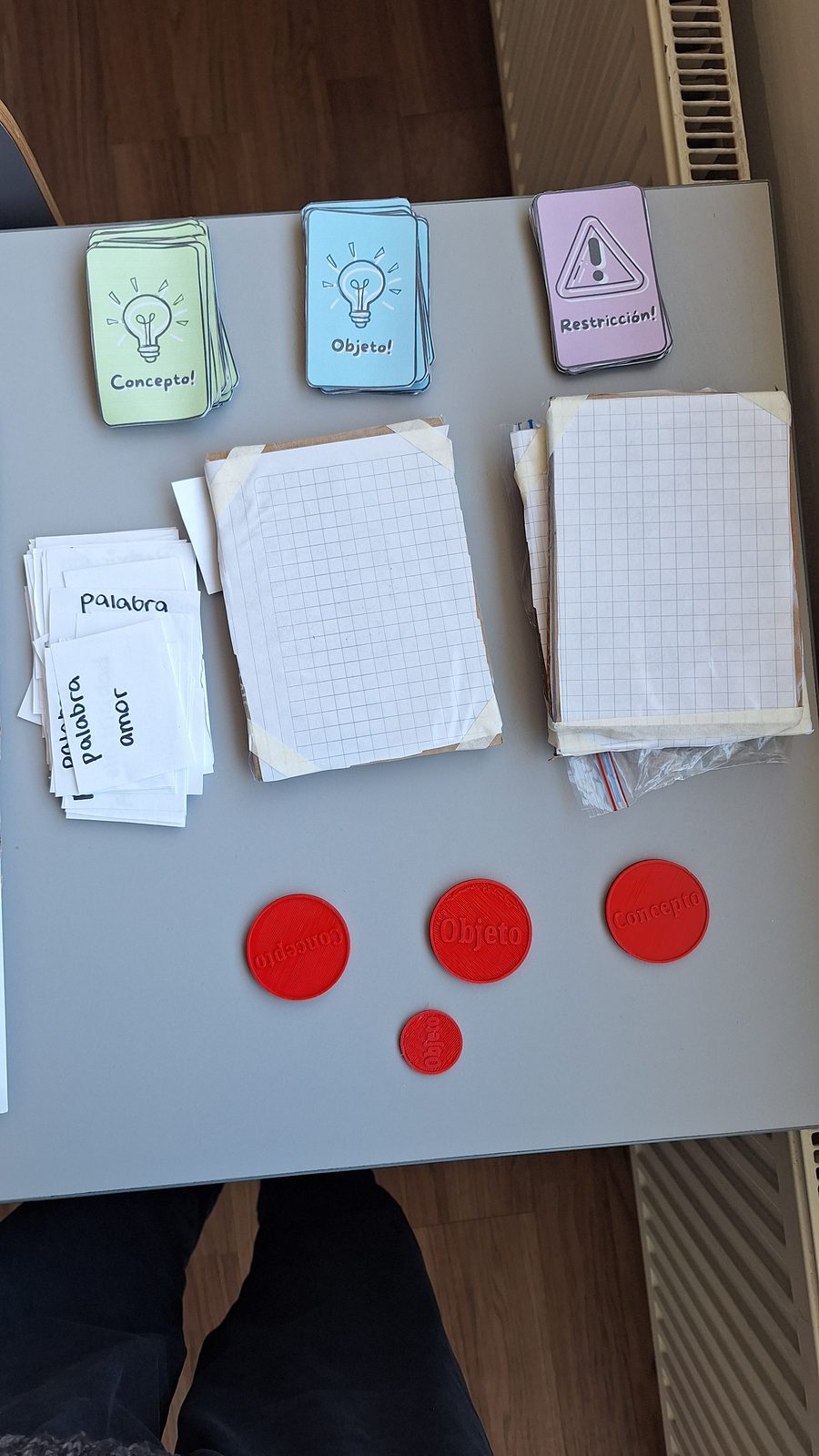
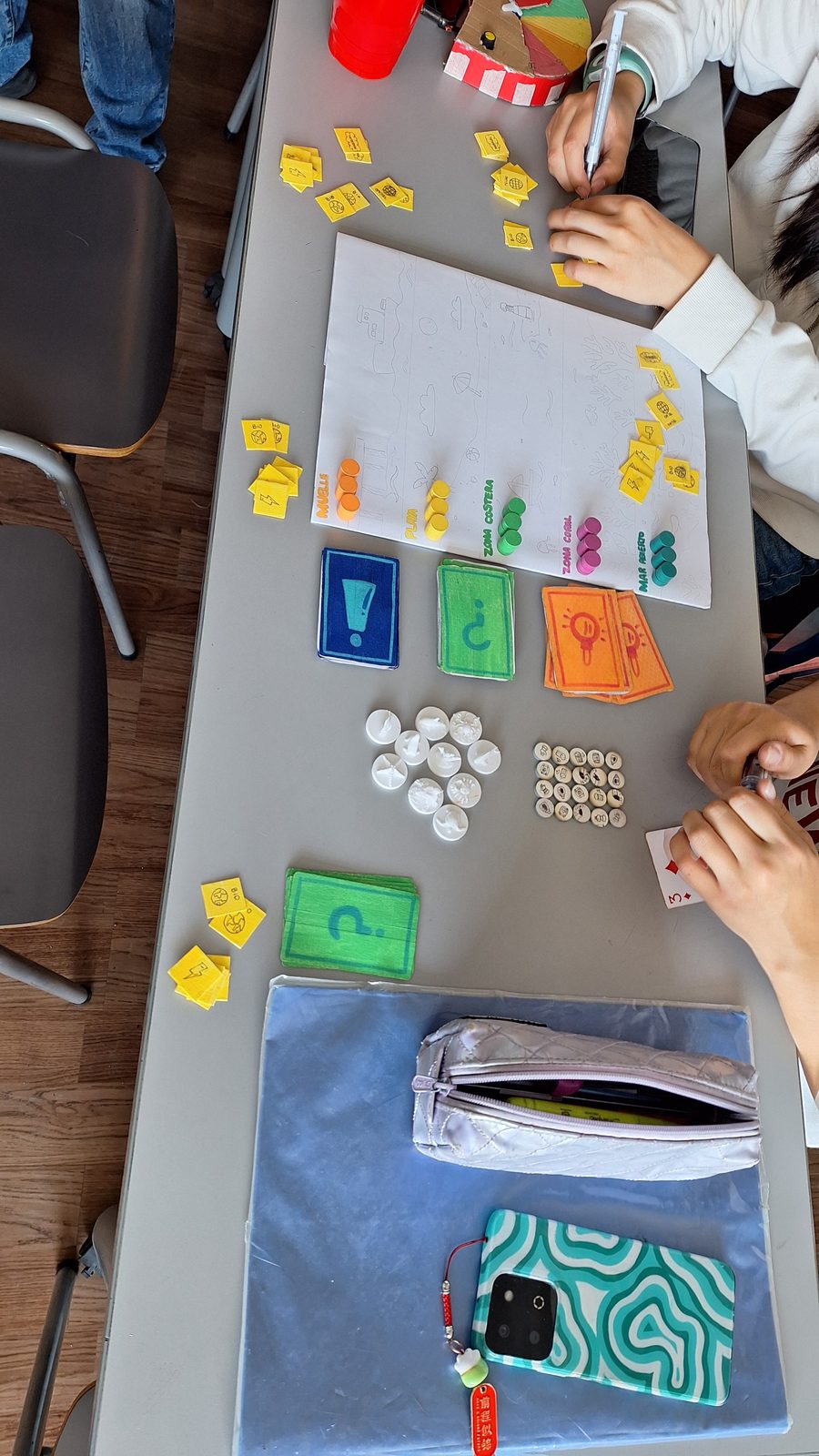
The game's card deck: Concept, Object and Constraint, the three variables the teams play with.
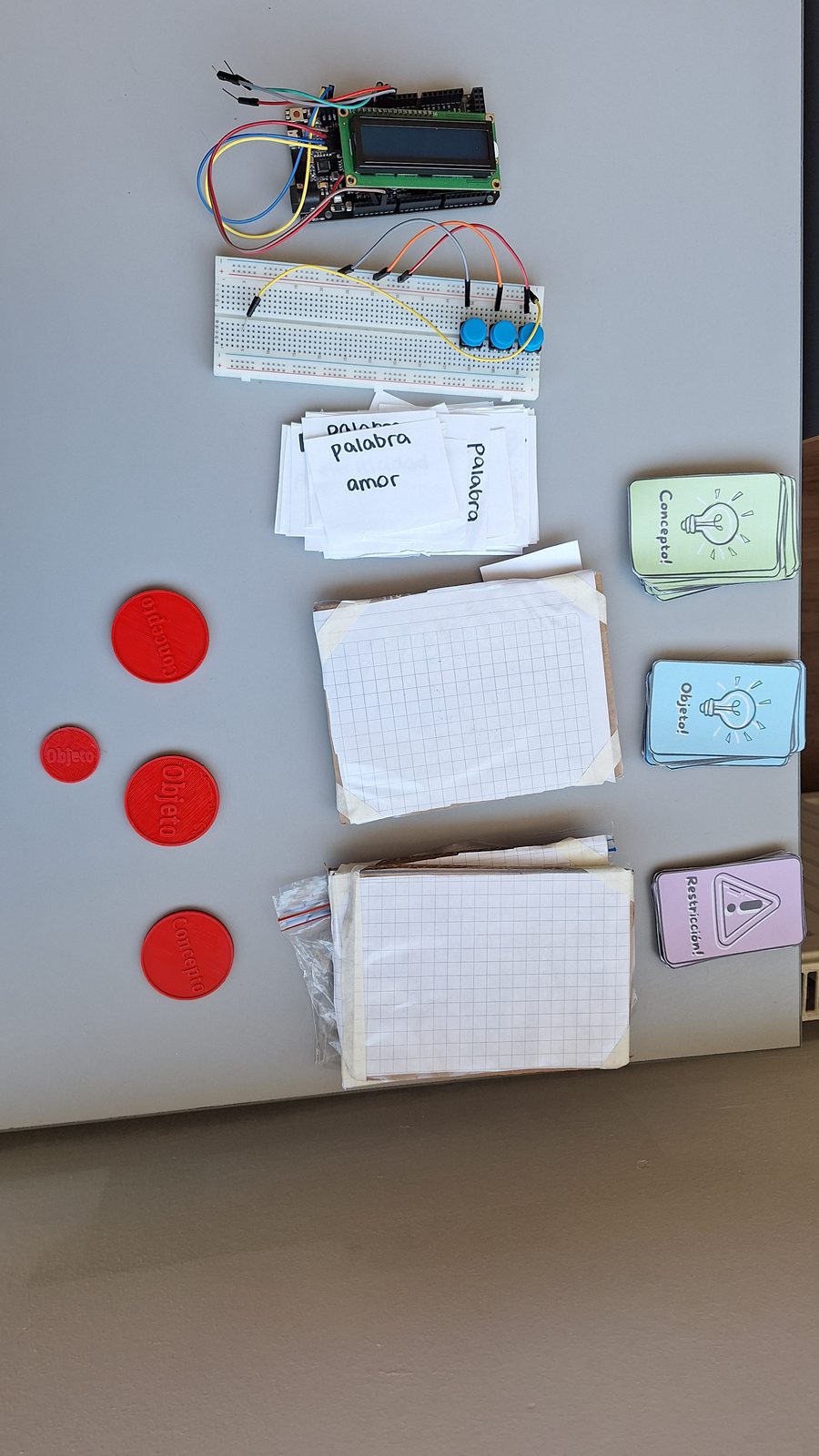
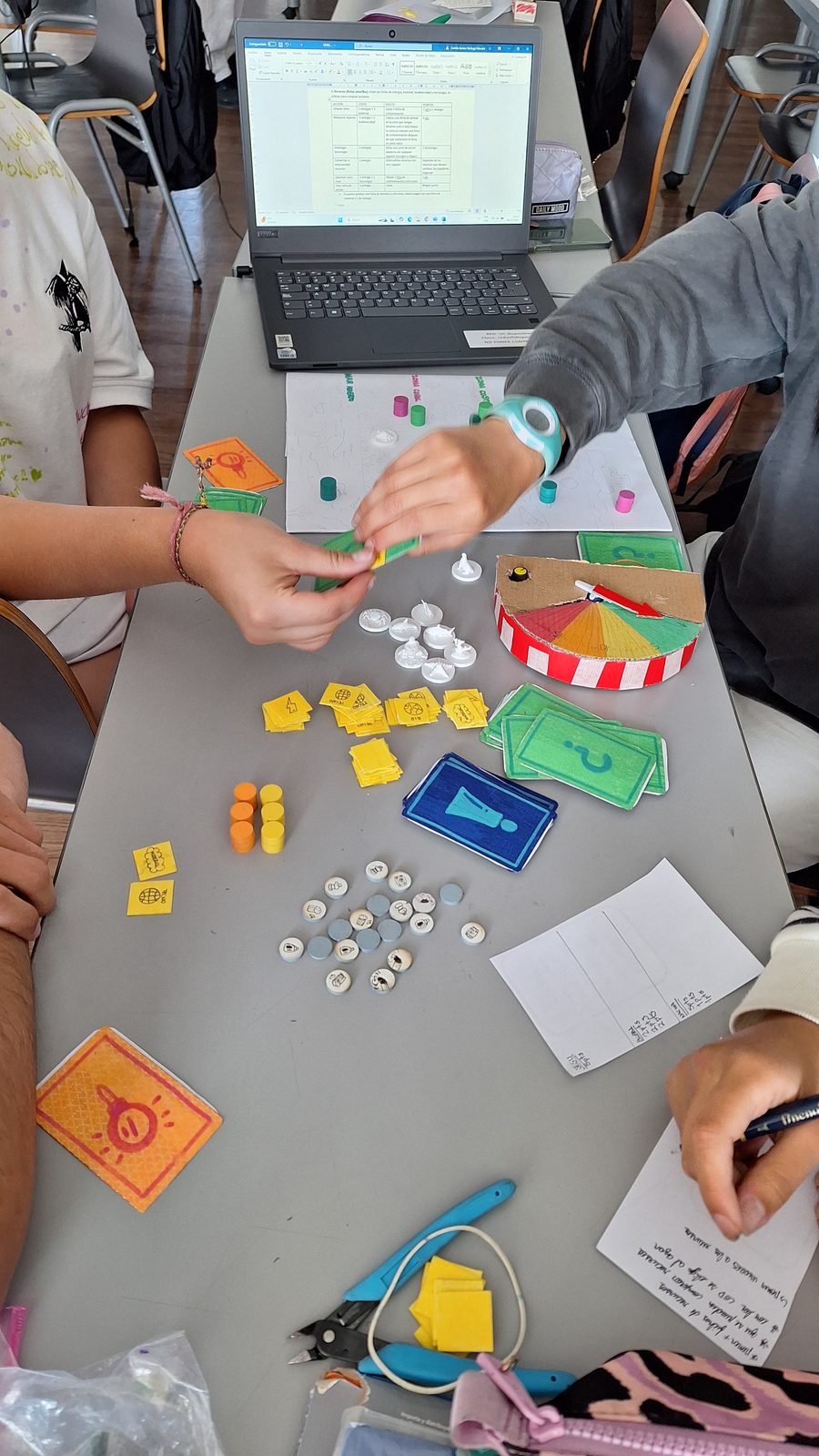
Electronics and cards laid out for a test session.
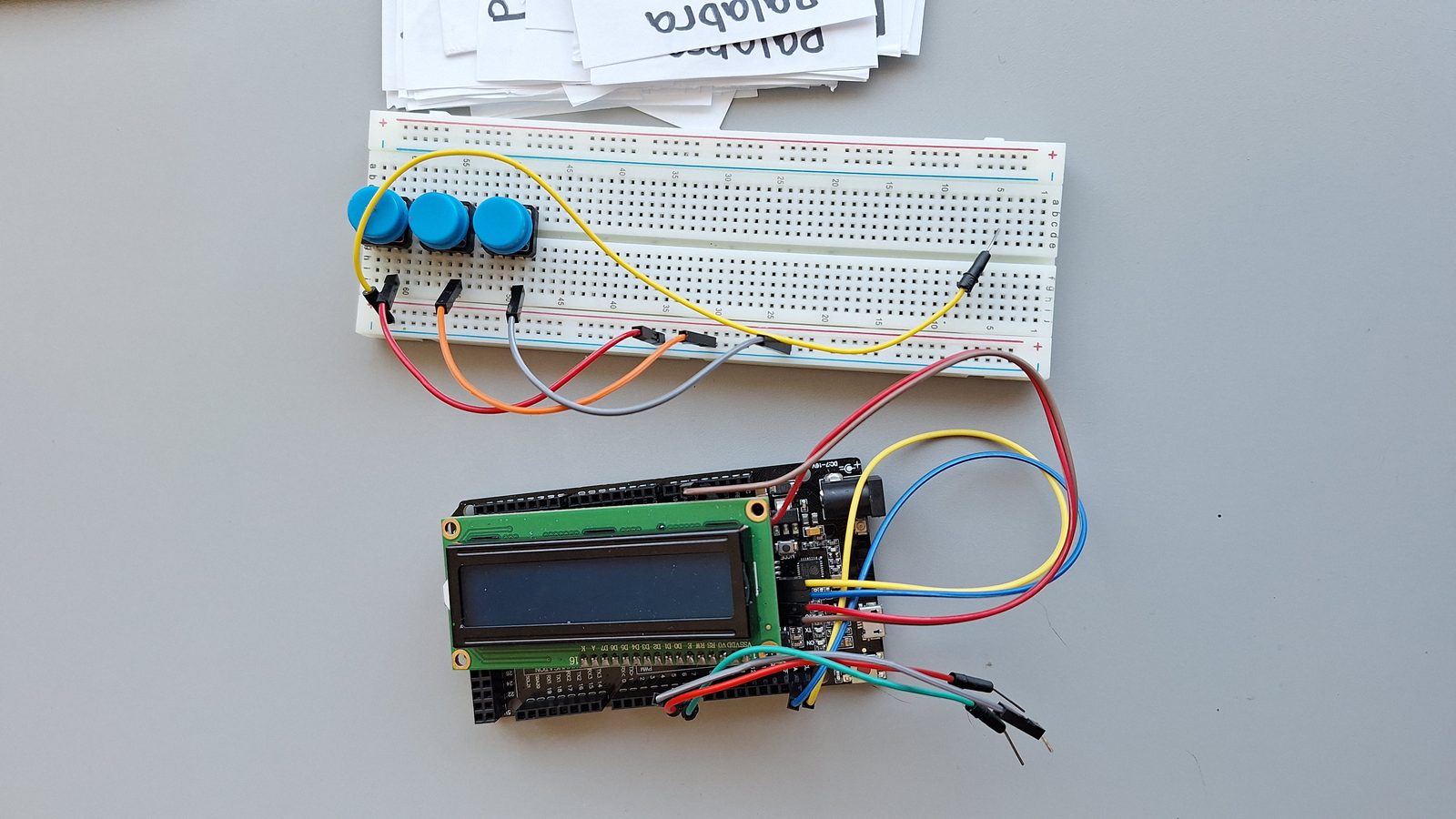
LCD screen and breadboard: the game's physical interface.
Work table while designing the game mechanics.
Cards, tokens and game components in development.
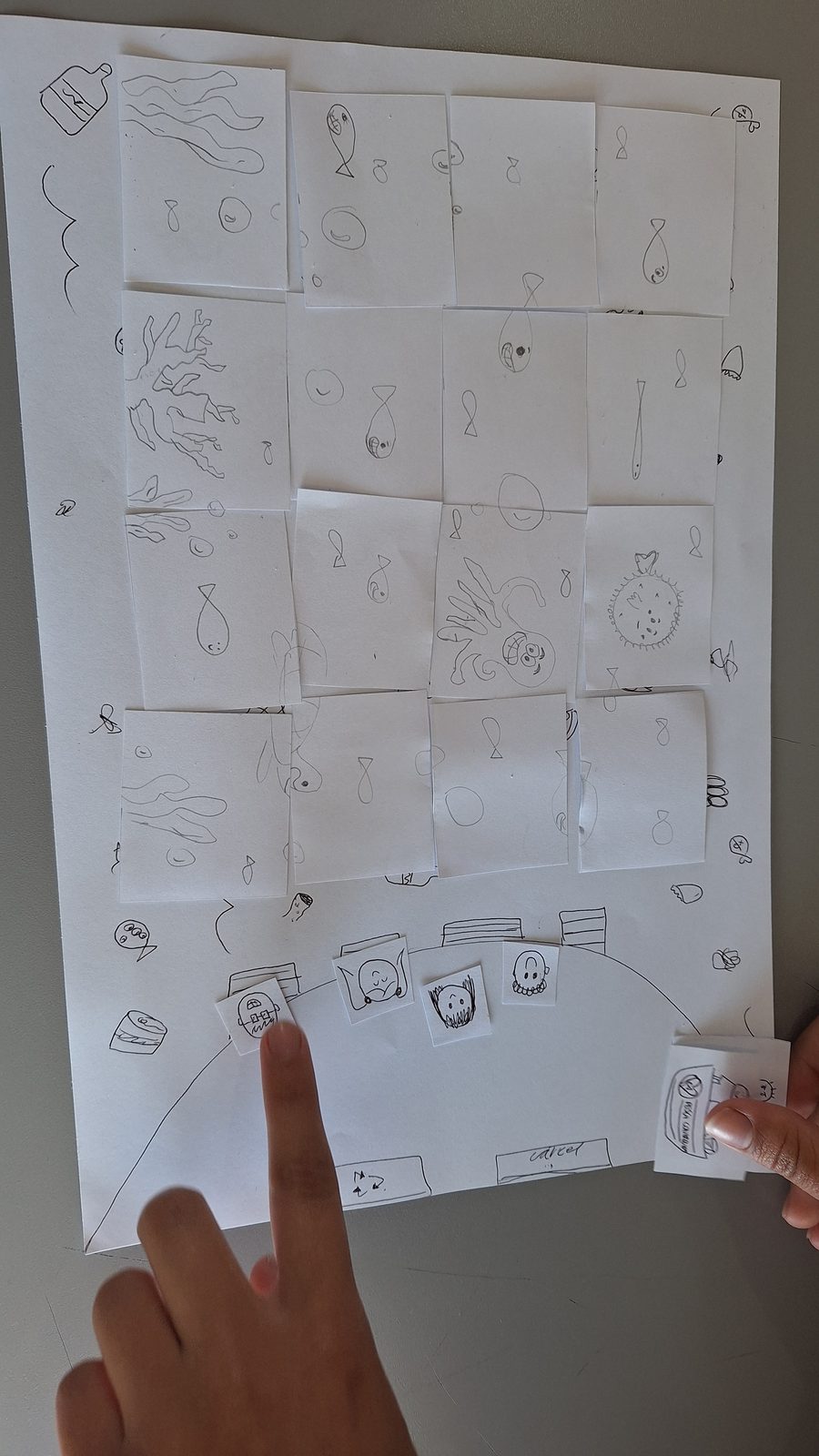
Storyboard panel: each frame is a moment of the game.
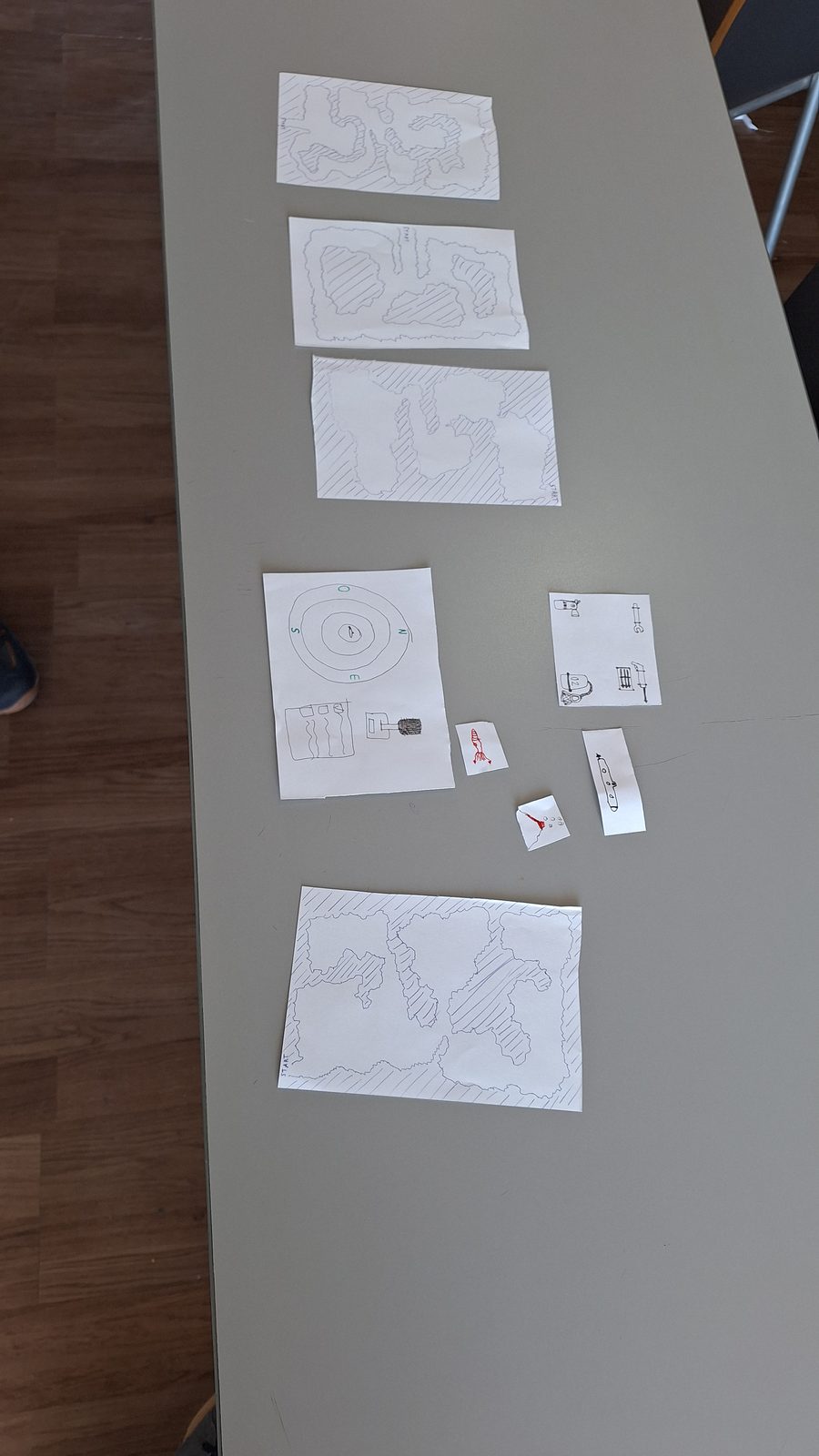
Hand-drawn map of the route before building it.
Sketches of game mechanics on the work table.
Test game on the terrain with relief.
Testing the robot on terrain with relief.
First route tests on the paper map.