University project, UDP
Eloísa
A Spanish-Creole translation system for Haitian women at a primary health center: access to sexual health and contraception when language is the first barrier.
Eloísa, or Èd Jinekolojik, is a Spanish and Haitian Creole translation system for the health care of the Haitian population in Chile. It is designed specifically for women and for the moment when the language barrier decides what information a patient receives about her own sexual health.
01The problem
In a sexual health appointment, not understanding the language does not mean understanding less: it means being left out of the decision. A woman who cannot ask how to take a contraceptive, what side effects it has or how often it is repeated is not choosing a method, she is being handed one. That is what the project tries to fix, and that is why the material is in Creole with Spanish in the background, not the other way around.
02How it works
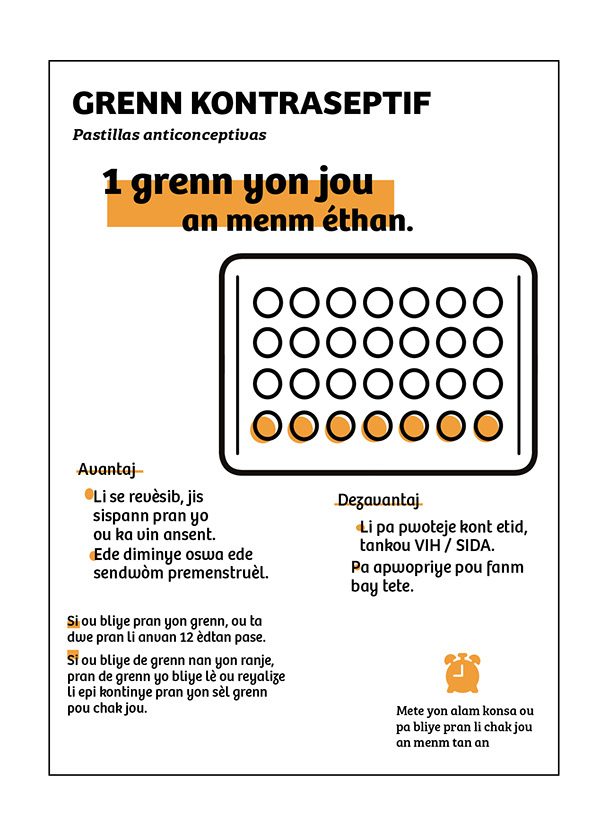
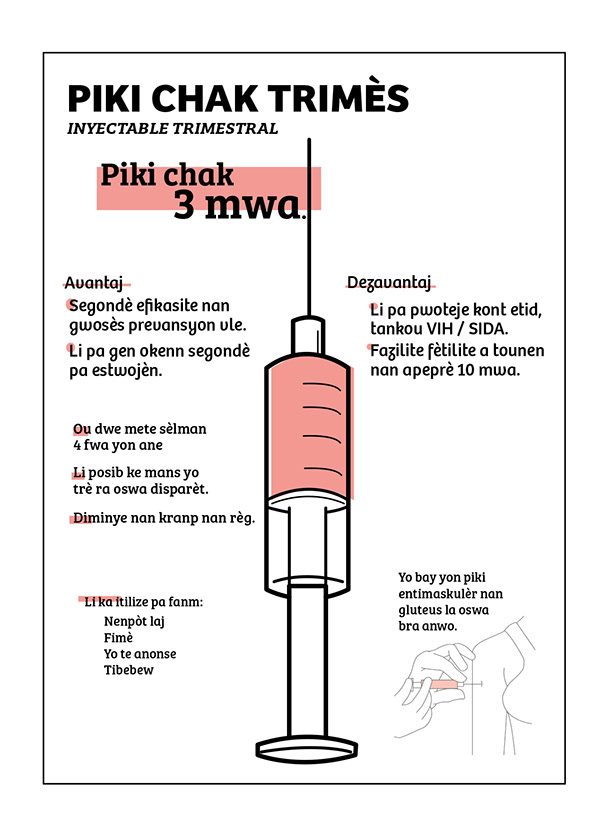
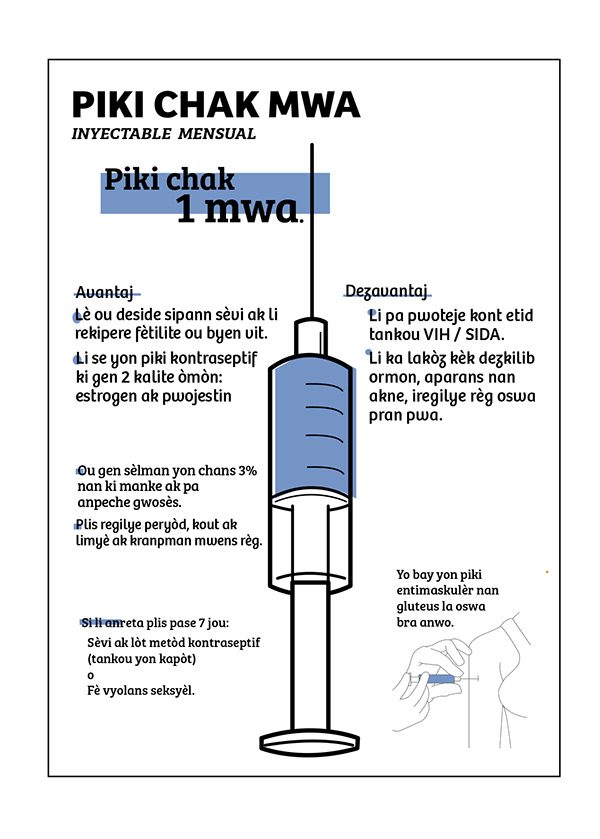
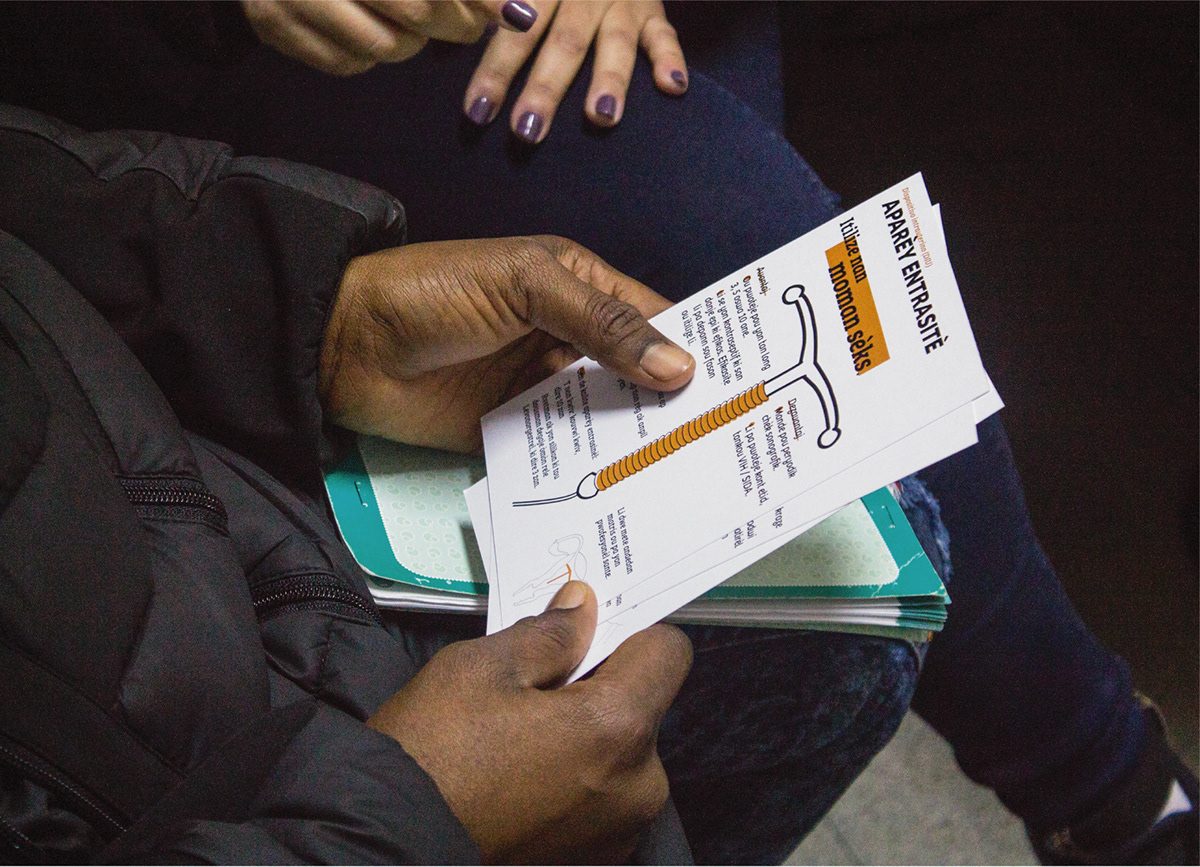
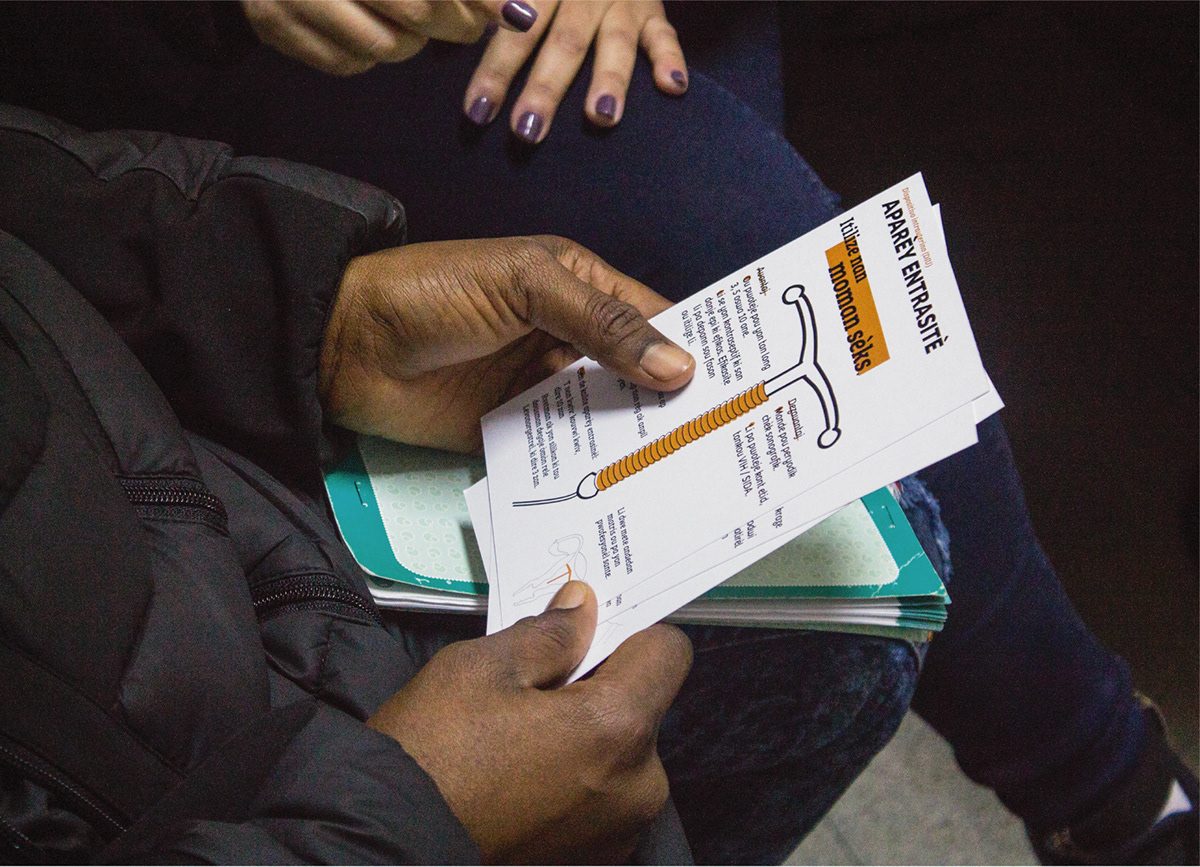
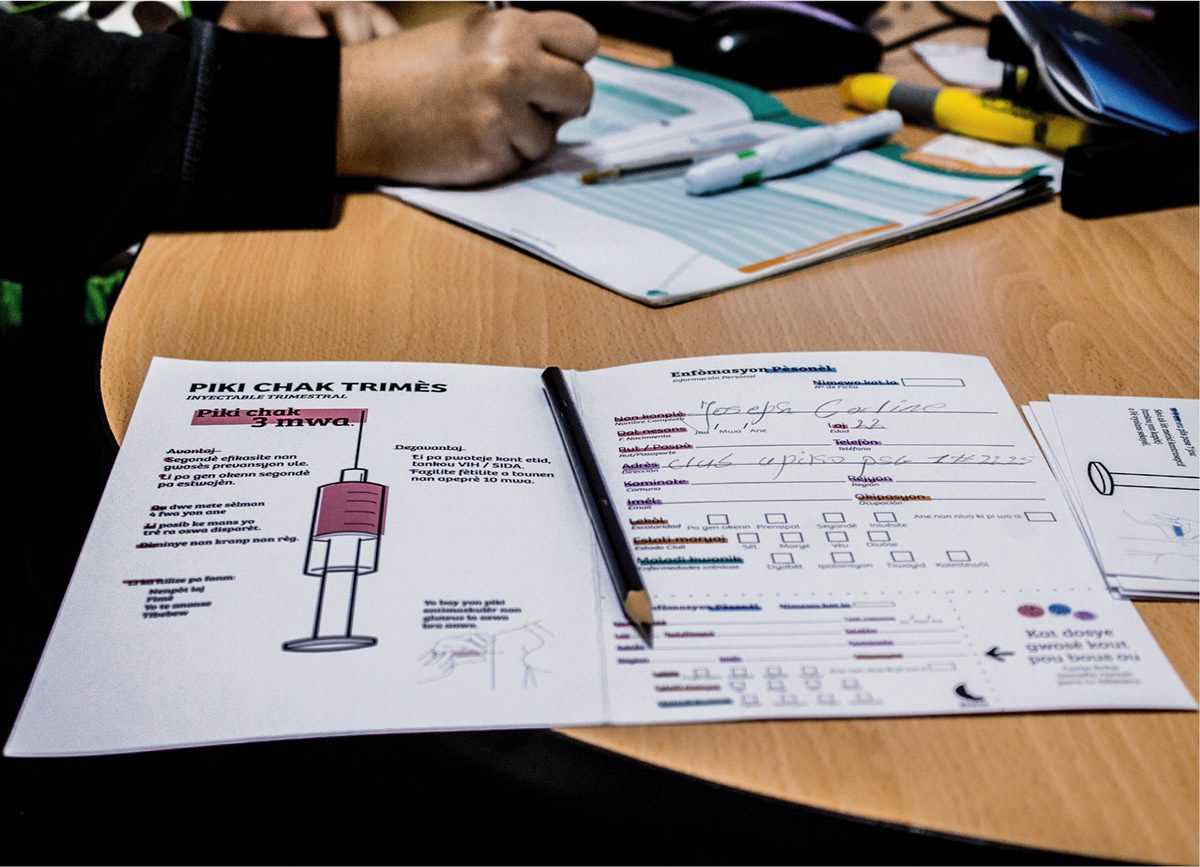
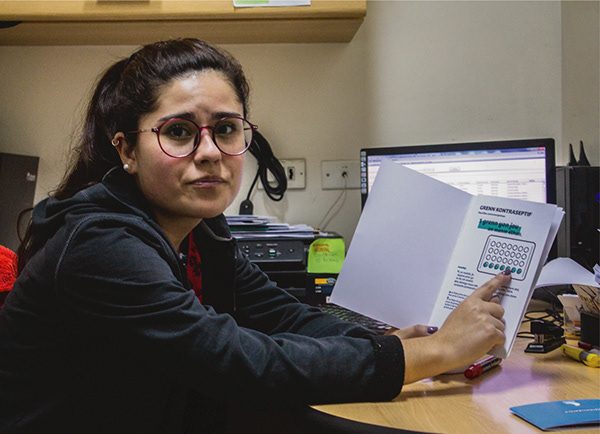
Each contraceptive method has its own card, and all of them follow the same structure: the name in Creole with the Spanish translation under the title, the frequency of use highlighted, and two facing columns with pros and cons. The illustration is literal on purpose: the blister pack with the pills marked, the syringe, the gesture of the injection. When the text fails, the drawing still works.
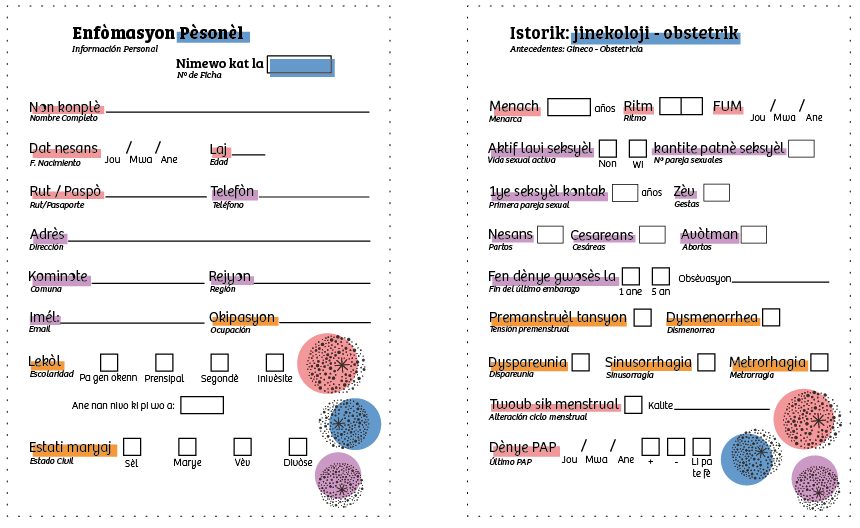
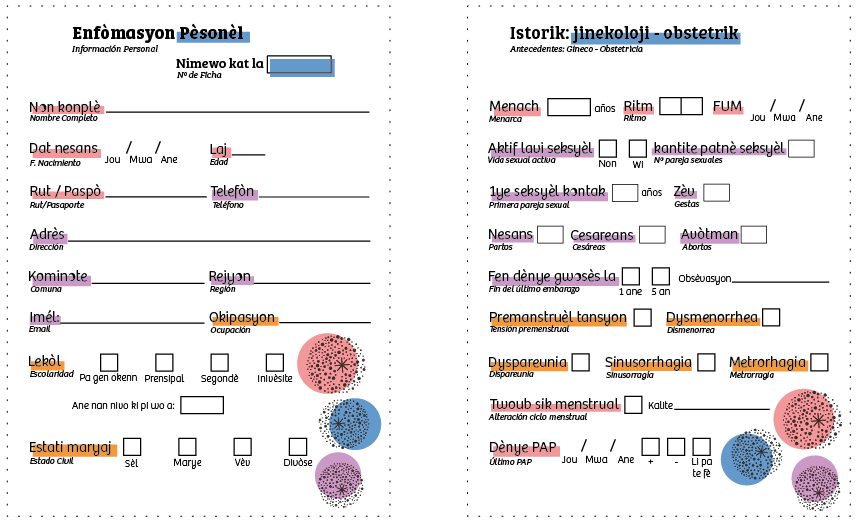
Alongside the method cards there are translated intake forms, which the health professional fills in with the patient. They are not a take-home leaflet: they are the tool of the appointment itself. That means the material has to hold up to use on the desk, with a pen on top of it, and not just to reading.
03Tested in real appointments
The material did not stay a mockup: it was used in real appointments, with the health professional explaining and the patient following the card. That is where you see whether it works. A card you have to hold with both hands, or that folds right where the important information is, fails in the appointment even if it looks good in print.